
Honouring the Memory of Prof. Madhav Gadgil
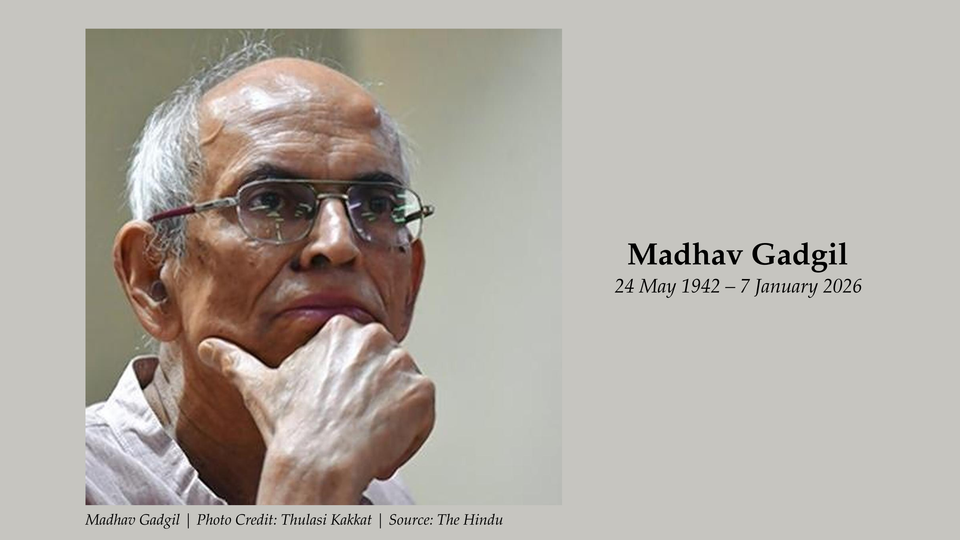
From a very young age, I grew up reading the works of Prof. Madhav Gadgil and Prof. Ramachandra Guha. Over the last few years, I have had the privilege of learning from and staying in touch with Professor Ramachandra Guha: engaging deeply with his work and developing my own thoughts on ecology, the environment, and India. The ideals and values that Prof. Guha and Prof. Gadgil have inscribed (they've co-authored and worked together on books, projects and scholarly work) have been a strong guiding force in my own life, as my learning continues to evolve. One of my upcoming articles with the Journal of Human Rights is solely inspired by their works.
Today, India mourns the loss of a great scientist: Professor Madhav Gadgil. I had a brief chat with Professor Guha this morning, where I expressed how young Indian minds will continue to grow from the seeds they have nurtured (and continue to nurture). Professor Guha recollected warmly, remembering what an intellectual and moral beacon Prof. Gadgil was. What a legacy Professor Madhav Gadgil has left behind. India has lost not just a brilliant mind, but a conscious soul who loved and cherished the spirit of India. Our call to protect, advocate for, and build India’s green future lies in each of us 🌱
Read how The Hindu newspaper covers his care for the poor and marginalised amidst climate change:
 Prachi Pinglay , Siddegowda Shantharaju & Meljo Thomas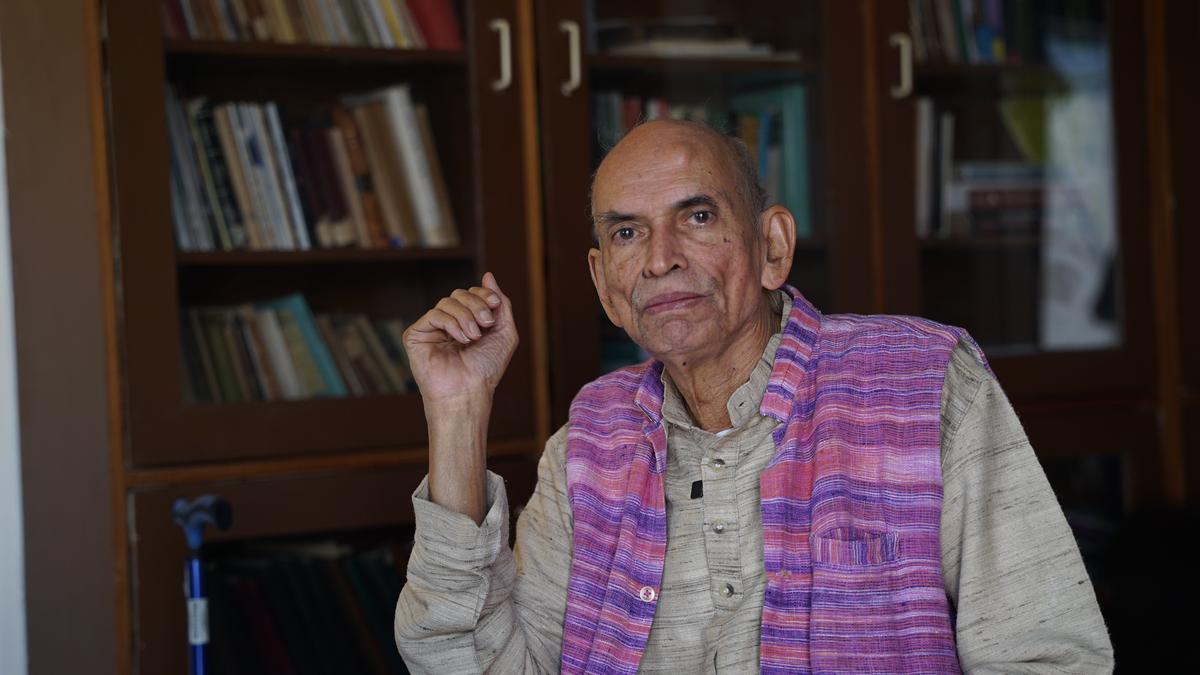
One of the books that inspired me:

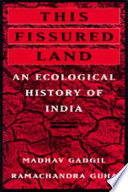
Since India’s Independence, over the last seventy-eight years, we have made huge strides—in economic growth, security, equity and inclusion, poverty alleviation, and in trying to overcome thousands of other unique challenges, while remaining the world’s largest democracy. Yet, we have miles to go... Also, I am of the view that we still fall short in developing a truly science-based strategy for sustainable development (and I stress "sustainable"). In honour of, and in solidarity with, the many incredible people who have sown (and continue to sow and water) the seeds of hope for our nation, humanity, and our beautiful planet, I vow to continue my pursuit… 🌿